Cozy Bunny: A Font That Brings Warmth to Your Editorial Design
There’s something about the right font that can transform a simple page into a memorable experience. Recently, I found myself deep in the process of redesigning a lifestyle blog header, and I needed a font that felt both inviting and professional. After some careful consideration, I settled on Cozy Bunny, a playful handwritten font that immediately brought a sense of warmth and personality to my design.
A Font with Character
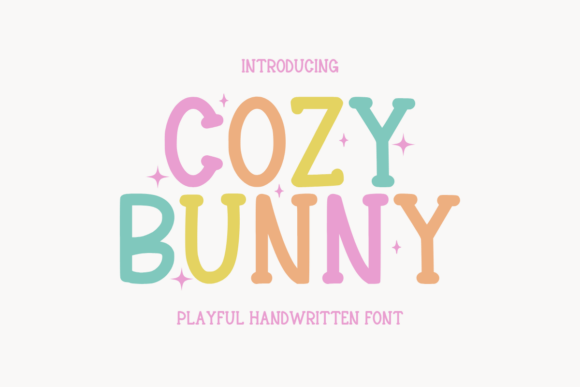
Cozy Bunny is more than just a typeface—it's a visual story. Its soft, rounded curves and gentle strokes evoke the feeling of a handwritten note, making it feel personal and approachable. It’s the kind of font that makes you want to lean in and read more, whether you're browsing a blog post or flipping through a printed magazine.
What stands out most about Cozy Bunny is its rhythm. The letters flow naturally, creating a sense of movement that keeps the reader engaged. It has a friendly and approachable tone, which makes it ideal for content that aims to connect with readers on a more personal level.
Where to Use Cozy Bunny
The versatility of Cozy Bunny is one of its greatest strengths. I’ve used it in several editorial projects, from blog headers to newsletter graphics. Here are a few examples of how it fits into different design scenarios:
- Blog Headers: As I redesigned my blog’s header, I wanted something that would stand out but still feel welcoming. Cozy Bunny did exactly that. It added a touch of charm without overwhelming the layout.
- Magazine Covers: When working on a digital magazine layout, I paired Cozy Bunny with a clean sans-serif font for body text. The contrast made the headlines pop while keeping the rest of the content easy to read.
- Ebook Titles: For an upcoming recipe ebook, I used Cozy Bunny as the title font. It gave the book a warm and inviting feel, perfect for a collection of home-cooked meals.
- Newsletter Graphics: In a recent newsletter, I used Cozy Bunny for pull quotes and section headings. It added a nice decorative touch without distracting from the main content.
- Printable Guides: Whether it’s a printable planner or a worksheet, Cozy Bunny adds a friendly vibe that makes the content feel more personal and engaging.
Readability and Practicality
While Cozy Bunny has a charming personality, I also considered its readability across different formats. I tested it on screen, in PDFs, and in print, ensuring it remained legible at various sizes. On mobile devices, I made sure to use it sparingly—mainly for titles and accents—to avoid clutter.
For long-form content, I recommend using Cozy Bunny only for headlines, pull quotes, and decorative elements. Its handwritten style isn’t the best for large blocks of text, but it works beautifully when used strategically.
Font Pairing and Design Considerations
To create a balanced and cohesive design, I often pair Cozy Bunny with a serif or sans-serif font that complements its playful nature. For instance, pairing it with a modern sans-serif like Montserrat or a classic serif like Playfair Display creates a striking contrast that enhances visual hierarchy.
I also make sure to check the included styles, weights, and ligatures before finalizing a design. Cozy Bunny offers a range of options that allow for flexibility in different layouts. Additionally, verifying multilingual support and file formats is essential, especially if the font will be used in international publications or digital downloads.
Branding and Consistency
One of the key aspects of editorial design is maintaining consistency across all content. Cozy Bunny helps reinforce brand identity by adding a consistent visual element that aligns with the tone and personality of the publication. Whether it’s a lifestyle blog, a coaching workbook, or a wedding guide, this font adds a touch of warmth and character that resonates with the audience.
When designing for a creator newsletter or a course PDF, I find that Cozy Bunny adds a personal touch that makes the content feel more authentic. It’s not just about aesthetics—it’s about creating a connection with the reader.
Conclusion
Choosing the right font can make all the difference in how your content is received. Cozy Bunny is a versatile, friendly, and visually appealing option that brings warmth and personality to any editorial project. Whether you’re designing a blog header, an ebook cover, or a printable planner, this font is worth considering for its ability to enhance the reading experience.